Hoi An World Cultural Heritage Conservation Center
35 Years of Research, Conservation, and Promotion of Archaeological Sites and Artefacts in Hội An
By 1985, at the time of the national seminar on the ancient town of Hội An, the region was known to scholars primarily as a prosperous medieval port city preserved relatively intact through its remarkable architectural heritage complex. Yet “underground Hội An”, or more specifically Hội An during the Prehistoric-Early Historic and Lâm Ấp-Champa periods, remained largely an open question.
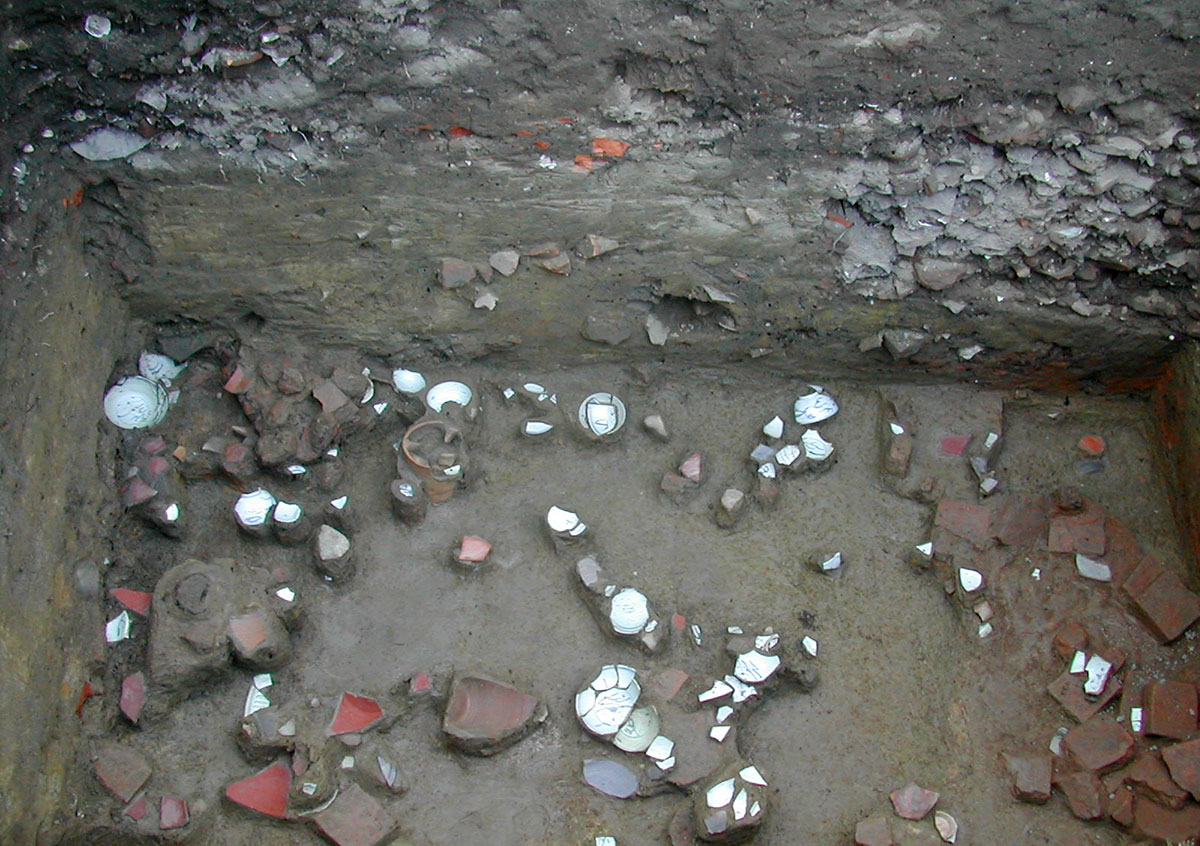
Archaeological Excavation Pit at 16 Nguyen Thi Minh Khai Street, Hoi An
Even so, with strong scholarly intuition, researchers believed that Hội An’s flourishing development in the sixteenth to eighteenth centuries must have been rooted, at least in part, in a rich historical and cultural depth from earlier periods. That hypothesis was confirmed during the 1989 archaeological field season conducted by specialists from the Vietnam Cultural Center of Hanoi General University (now the University of Social Sciences and Humanities, Vietnam National University, Hanoi) in collaboration with the Hội An Monuments Management Board (now the Hội An Center for Cultural Heritage Management and Preservation). The first three Sa Huỳnh culture sites discovered in Hội An, An Bang, Hậu Xá, and Thanh Chiếm, marked a major turning point in research and understanding of Hội An in the Prehistoric-Early Historic period. During the same field season, traces of Cham tower architecture and several examples of Champa sculpture were also found in Hội An.
Following the 1990 international symposium on the ancient town of Hội An, a number of archaeological research projects and programmes were launched, including the project “Archaeological Excavation of Sa Huỳnh Jar Burial Sites in Hội An Town” (1993-1995), funded by the Toyota Foundation; the archaeological research programme in Hội An Ancient Town conducted in cooperation with archaeologists from Showa Women’s University in Japan; the excavation project of the ancient shipwreck in the waters off Cù Lao Chàm; and archaeological surveys and excavations on Cù Lao Chàm Island from 1997 to 2000. These projects and programmes helped clarify many historical and cultural issues concerning Hội An during the Prehistoric-Early Historic period, the Lâm Ấp-Champa period, and the period of Hội An as an international trading port from the sixteenth to nineteenth centuries. The vast collection of artefacts recovered from archaeological sites and locations has also provided the basis for the establishment of several distinctive thematic museums in Hội An, attracting large numbers of visitors.
Alongside research, the conservation and promotion of archaeological sites and artefacts in Hội An have also received considerable attention.
First, research findings on Hội An’s archaeological sites and artefacts have been regularly introduced by scholars in academic journals and at specialist conferences, particularly the annual Conference on New Archaeological Discoveries and the 1995 scientific seminar on Sa Huỳnh Culture in Hội An. Through these forums, the value and significance of archaeological heritage in Hội An have been progressively affirmed, while also opening up many new and fascinating research directions.
The preparation of management dossiers and applications for heritage designation at different levels has also been carried out regularly, providing a legal foundation and better conditions for the conservation and promotion of archaeological sites. At present, Hội An has two nationally designated archaeological sites: the Bãi Ông site, dating to the Pre-Sa Huỳnh period over 3,000 years ago, and the Bãi Làng site, dating from the eighth to tenth centuries. Five other sites have been designated at the provincial level, including the burial sites of An Bang, Hậu Xá I, and Hậu Xá II from the classical Sa Huỳnh cultural period, and the Trảng Sỏi and Lăng Bà Cẩm Thanh sites from the Champa period. In addition, many sites have been placed under protected zoning and officially mapped.
In recent years, archaeological sites in Hội An have gradually been marked with boundary posts and informational signboards, including Bãi Ông, Bãi Làng, Hậu Xá I, Hậu Xá II, An Bang, Trảng Sỏi, and Đồng Nà. Through this form of interpretation, local residents can better understand the value of these sites as well as the legal regulations concerning heritage protection, while also making it easier for visitors and researchers to access and study them.
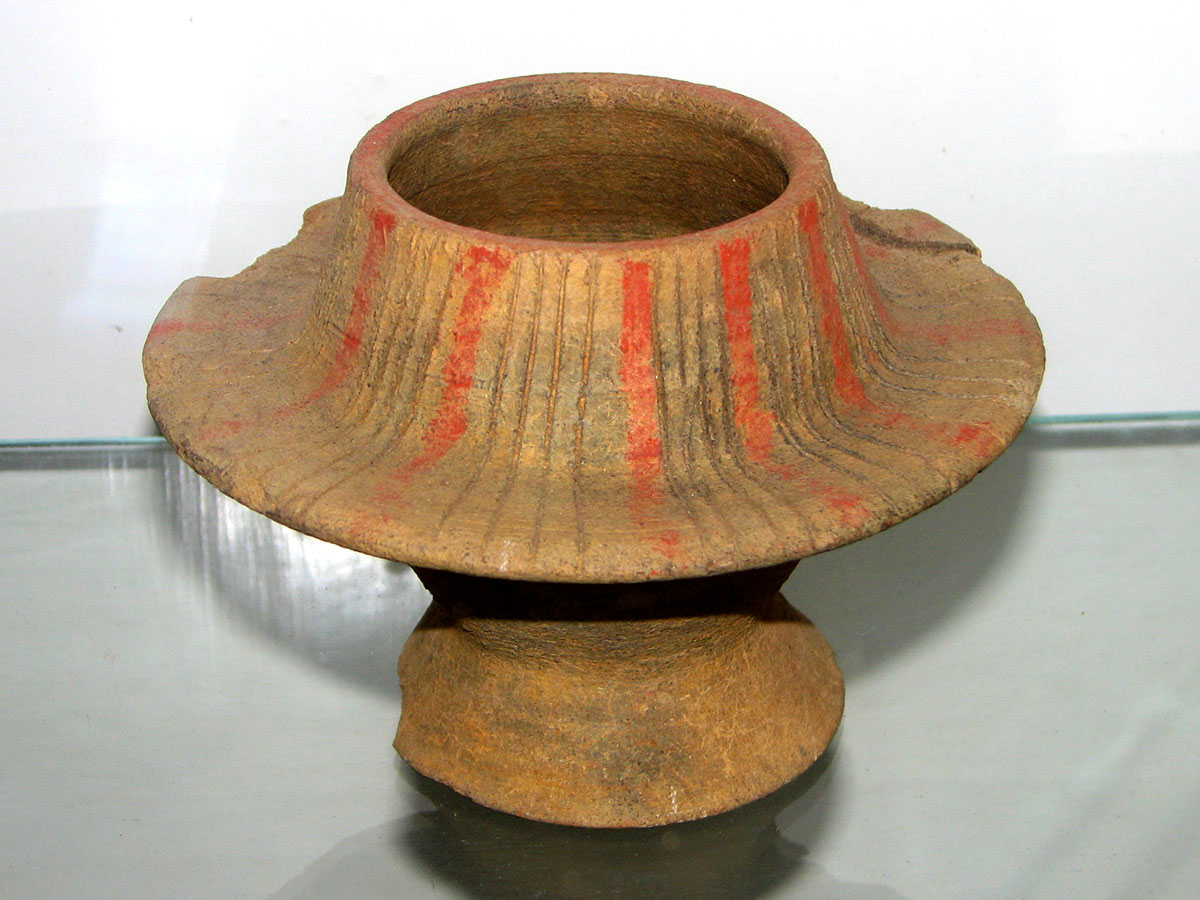
As for public communication and heritage promotion, one major effort has been the establishment of thematic museums and the compilation of publications and brochures introducing the value of archaeological sites and artefacts. In 1994, the Sa Huỳnh Culture Museum was established at 149 Trần Phú Street, near the Japanese Covered Bridge, displaying nearly 1,000 artefacts. These are representative finds excavated from archaeological sites in Hội An associated with Sa Huỳnh culture and the early Cham period. Through the artefacts on display, explanatory texts, and distribution maps of sites presented in the museum, both local residents and visitors can gain a clearer understanding of the characteristics of the sites, artefacts, and cultural life of Hội An during the Prehistoric-Early Historic and early Cham periods.
In 1995, the Hội An Museum of Trading Ceramics was also established at 80 Trần Phú Street. This museum displays ceramic artefacts collected from local communities and recovered through archaeological surveys and excavations at sites in Hội An from the Champa and Đại Việt periods. Particularly noteworthy are Chu Đậu ceramics recovered from the ancient shipwreck off Cù Lao Chàm, as well as Hizen ceramics from Japan. This museum enables local people and visitors to better understand the ceramic trade goods that circulated through Hội An along international maritime trade routes.
Many archaeological artefacts from the Prehistoric-Early Historic, Lâm Ấp-Champa, and Đại Việt periods are also displayed at the Hội An Museum of History and Culture, located at 10B Trần Hưng Đạo Street. At Cẩm Phô Communal House, images of the site and artefacts excavated in its courtyard are also exhibited as part of the “Japanese Traces in Hội An” visitor route. In addition to permanent museum displays, some Sa Huỳnh artefacts from Hội An have also been featured in thematic exhibitions at major museums abroad, including in the United States and Japan.
Alongside the establishment of thematic museums, the compilation and publication of materials introducing archaeological sites and artefacts in Hội An have also been given due attention. To date, many books on Hội An’s archaeological heritage have been published, including Hội An: Archaeology and History (2003), Sa Huỳnh Culture in Hội An (2005), Cù Lao Chàm: Position, Potential, and Prospects (2006), Heritage Sites and Scenic Landscapes of Hội An (2007), and Heritage Sites and Scenic Landscapes of Cù Lao Chàm (2007). Archaeological sites and artefacts in Hội An have also been featured in numerous television reports and documentary films broadcast on channels such as VTV Đà Nẵng and VTV1, including Vietnam-Japan and Buddhist Stories and Shadows of Time.
Despite these achievements, several issues in the conservation and promotion of archaeological sites and artefacts in Hội An still require continued attention and investment. Because many of these artefacts are thousands of years old, and especially because they remained buried underground for long periods, many are now deteriorating, particularly Sa Huỳnh iron artefacts. Therefore, conservation treatment and restoration to ensure their long-term survival are urgently needed. It is also necessary to increase the appeal of archaeological displays in museums through the application of modern exhibition technologies and techniques. In addition, efforts should also be directed toward establishing site museums in situ, which could create new experiential destinations for both local people and visitors.
It is hoped that in the not-too-distant future, with the dedication and efforts of experts and professional agencies, together with sustained attention from all levels of government, the conservation and promotion of archaeological sites and artefacts in Hội An will continue to achieve new results.
Following the 1990 international symposium on the ancient town of Hội An, a number of archaeological research projects and programmes were launched, including the project “Archaeological Excavation of Sa Huỳnh Jar Burial Sites in Hội An Town” (1993-1995), funded by the Toyota Foundation; the archaeological research programme in Hội An Ancient Town conducted in cooperation with archaeologists from Showa Women’s University in Japan; the excavation project of the ancient shipwreck in the waters off Cù Lao Chàm; and archaeological surveys and excavations on Cù Lao Chàm Island from 1997 to 2000. These projects and programmes helped clarify many historical and cultural issues concerning Hội An during the Prehistoric-Early Historic period, the Lâm Ấp-Champa period, and the period of Hội An as an international trading port from the sixteenth to nineteenth centuries. The vast collection of artefacts recovered from archaeological sites and locations has also provided the basis for the establishment of several distinctive thematic museums in Hội An, attracting large numbers of visitors.
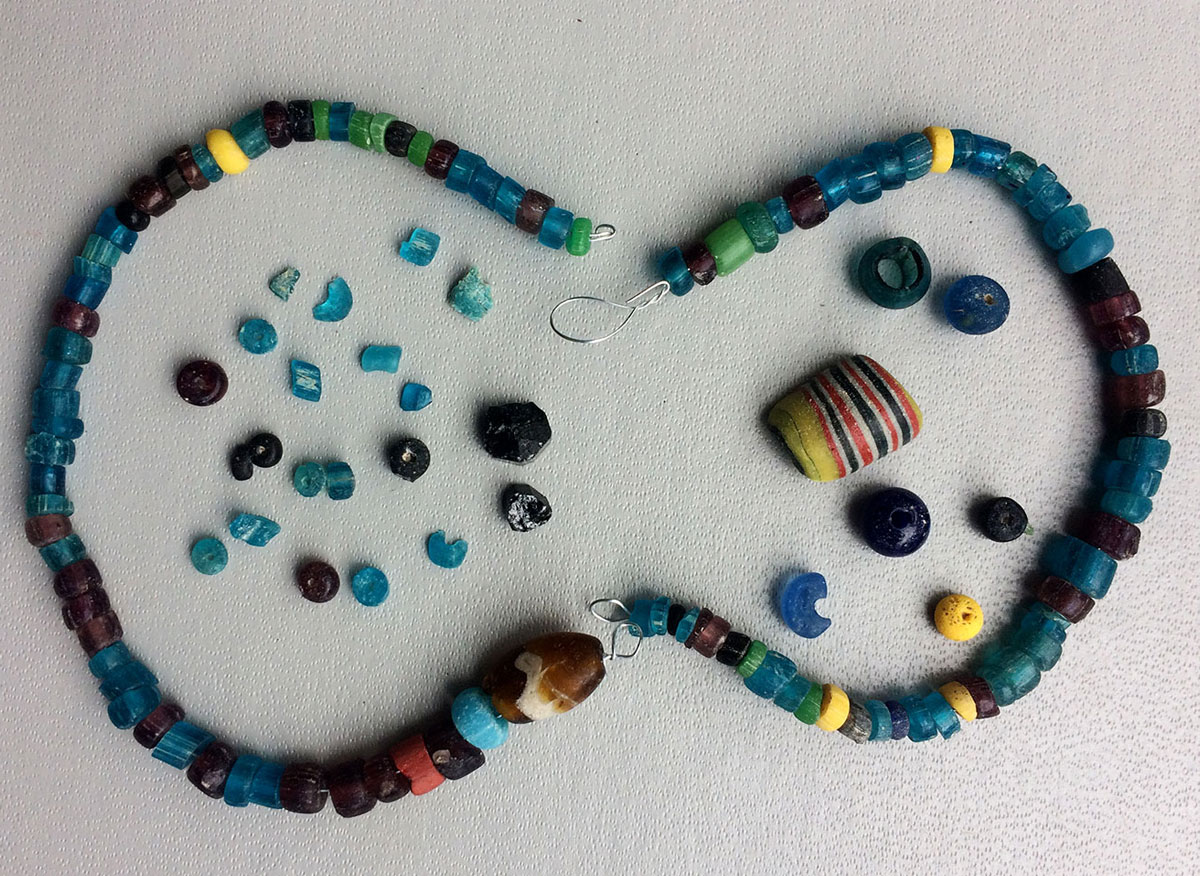
Glass Ornaments Excavated from the Bai Lang Archaeological Site, Cham Islands
To date, 25 archaeological sites and locations, along with thousands of artefacts, have been discovered in Hội An across different historical periods. These include Prehistoric-Early Historic sites such as Bãi Ông on Cù Lao Chàm Island; the burial sites of An Bang, Hậu Xá II, Xuân Lâm, and Thanh Chiếm; and the burial-settlement site of Hậu Xá I, all associated with the Sa Huỳnh cultural complex. Sites from the Lâm Ấp-Champa period include Đồng Nà, Ruộng Đồng Cao, the water spinach field at Chùa Bà Mụ, Trảng Sỏi, Lăng Bà, and Bãi Làng. There are also numerous sites from the Đại Việt period, such as the site at Cẩm Phô Communal House, Tu Lễ Hamlet Communal House, the house at 129 Phan Chu Trinh, the house at 16 Nguyễn Thị Minh Khai, the houses at 76/18, 80, and 85 Trần Phú, the Triều Châu Assembly Hall, Nguyễn Duy Hiệu School, Trần Quý Cáp School, the Japanese Covered Bridge, the house at 52/2 Phan Chu Trinh, and the Cù Lao Chàm shipwreck.Alongside research, the conservation and promotion of archaeological sites and artefacts in Hội An have also received considerable attention.
First, research findings on Hội An’s archaeological sites and artefacts have been regularly introduced by scholars in academic journals and at specialist conferences, particularly the annual Conference on New Archaeological Discoveries and the 1995 scientific seminar on Sa Huỳnh Culture in Hội An. Through these forums, the value and significance of archaeological heritage in Hội An have been progressively affirmed, while also opening up many new and fascinating research directions.
The preparation of management dossiers and applications for heritage designation at different levels has also been carried out regularly, providing a legal foundation and better conditions for the conservation and promotion of archaeological sites. At present, Hội An has two nationally designated archaeological sites: the Bãi Ông site, dating to the Pre-Sa Huỳnh period over 3,000 years ago, and the Bãi Làng site, dating from the eighth to tenth centuries. Five other sites have been designated at the provincial level, including the burial sites of An Bang, Hậu Xá I, and Hậu Xá II from the classical Sa Huỳnh cultural period, and the Trảng Sỏi and Lăng Bà Cẩm Thanh sites from the Champa period. In addition, many sites have been placed under protected zoning and officially mapped.
In recent years, archaeological sites in Hội An have gradually been marked with boundary posts and informational signboards, including Bãi Ông, Bãi Làng, Hậu Xá I, Hậu Xá II, An Bang, Trảng Sỏi, and Đồng Nà. Through this form of interpretation, local residents can better understand the value of these sites as well as the legal regulations concerning heritage protection, while also making it easier for visitors and researchers to access and study them.
As for public communication and heritage promotion, one major effort has been the establishment of thematic museums and the compilation of publications and brochures introducing the value of archaeological sites and artefacts. In 1994, the Sa Huỳnh Culture Museum was established at 149 Trần Phú Street, near the Japanese Covered Bridge, displaying nearly 1,000 artefacts. These are representative finds excavated from archaeological sites in Hội An associated with Sa Huỳnh culture and the early Cham period. Through the artefacts on display, explanatory texts, and distribution maps of sites presented in the museum, both local residents and visitors can gain a clearer understanding of the characteristics of the sites, artefacts, and cultural life of Hội An during the Prehistoric-Early Historic and early Cham periods.
In 1995, the Hội An Museum of Trading Ceramics was also established at 80 Trần Phú Street. This museum displays ceramic artefacts collected from local communities and recovered through archaeological surveys and excavations at sites in Hội An from the Champa and Đại Việt periods. Particularly noteworthy are Chu Đậu ceramics recovered from the ancient shipwreck off Cù Lao Chàm, as well as Hizen ceramics from Japan. This museum enables local people and visitors to better understand the ceramic trade goods that circulated through Hội An along international maritime trade routes.
Many archaeological artefacts from the Prehistoric-Early Historic, Lâm Ấp-Champa, and Đại Việt periods are also displayed at the Hội An Museum of History and Culture, located at 10B Trần Hưng Đạo Street. At Cẩm Phô Communal House, images of the site and artefacts excavated in its courtyard are also exhibited as part of the “Japanese Traces in Hội An” visitor route. In addition to permanent museum displays, some Sa Huỳnh artefacts from Hội An have also been featured in thematic exhibitions at major museums abroad, including in the United States and Japan.
Alongside the establishment of thematic museums, the compilation and publication of materials introducing archaeological sites and artefacts in Hội An have also been given due attention. To date, many books on Hội An’s archaeological heritage have been published, including Hội An: Archaeology and History (2003), Sa Huỳnh Culture in Hội An (2005), Cù Lao Chàm: Position, Potential, and Prospects (2006), Heritage Sites and Scenic Landscapes of Hội An (2007), and Heritage Sites and Scenic Landscapes of Cù Lao Chàm (2007). Archaeological sites and artefacts in Hội An have also been featured in numerous television reports and documentary films broadcast on channels such as VTV Đà Nẵng and VTV1, including Vietnam-Japan and Buddhist Stories and Shadows of Time.
Despite these achievements, several issues in the conservation and promotion of archaeological sites and artefacts in Hội An still require continued attention and investment. Because many of these artefacts are thousands of years old, and especially because they remained buried underground for long periods, many are now deteriorating, particularly Sa Huỳnh iron artefacts. Therefore, conservation treatment and restoration to ensure their long-term survival are urgently needed. It is also necessary to increase the appeal of archaeological displays in museums through the application of modern exhibition technologies and techniques. In addition, efforts should also be directed toward establishing site museums in situ, which could create new experiential destinations for both local people and visitors.
It is hoped that in the not-too-distant future, with the dedication and efforts of experts and professional agencies, together with sustained attention from all levels of government, the conservation and promotion of archaeological sites and artefacts in Hội An will continue to achieve new results.
Author: Võ Hồng Việt
Source: Hoi An Center for the Conservation of World Cultural Heritage
Newer articles
Older articles